




Sustainable Composites Manufacturer
HRC is a sustainable composites manufacturer with a closed loop for carbon fiber: raw material development, molding, recycling and regenerated products inside one company. Patented recycling technology, ISO 14001:2015 environmental management and carbon-neutral business models help clients in automotive, aerospace, construction and wind energy cut the footprint of their composite parts without giving up performance.
What makes HRC a sustainable composites manufacturer?
- A closed application loop. From intermediate materials and molding to recycling and reuse, every step is covered in-house and protected by patented technology.
- Kiloton-scale recycling. A self-built line based on microwave heating recovers carbon fiber without chemical pollution, with over 95% of mechanical properties retained. See carbon fiber recycling.
- Regenerated products. rCF injection molding pellets, non-woven fabrics and thermoplastic felts, and end products for transportation, construction and wind energy.
- Recognised practice. HRC's circular economy practice was selected as a 2025 exemplary climate action case in the "Carbon Pathways to the Future" programme, and the company is certified to ISO 14001:2015.
HRC Carbon Neutrality: circular economy for composites
HRC Carbon Neutrality is the company's programme for CO2 footprint reduction through circular economy principles: lighter parts that save fuel and battery energy in use, recycled fiber that replaces virgin fiber, and regenerated products that keep carbon fiber out of landfill. The programme runs from an 8,000 square metre facility in Changshu next to the production plants.
Composite recycling solutions for your waste stream
For manufacturers with composite scrap or end-of-life parts, HRC covers the full chain: waste and material sorting, equipment and process planning, fiber quality testing, design and implementation of intermediate materials, and development of recycled products with structural analysis, cost assessment and product testing.
Frequently asked questions
Is carbon fiber sustainable?
Virgin carbon fiber takes a lot of energy to make, but a carbon fiber part is light, which saves energy over the life of a vehicle or aircraft, and the fiber can be recovered and reused at the end of life. The sustainability case depends on closing that loop, which is what HRC's recycling line and regenerated products do.
Which industries use HRC's regenerated materials?
Transportation, construction, wind energy and consumer electronics, through rCF pellets for injection molding, non-woven fabrics for SMC and RTM, and thermoplastic felts for molded parts.
Can HRC support our own footprint reporting?
HRC provides material and process information for clients' own reporting and designs parts for recycling from the start, so the end-of-life route is defined before the first part is molded.
How do I start?
Tell us about your parts or your composite waste stream through the contact page. We reply with a proposal for lighter parts, recycled materials or a recycling route.


From raw materials to molding and recycling, each step is reinforced by patented technological barriers

-
 Full integration
Integrated service stages support carbon neutrality, enabling HRC and its clients to achieve more stable, efficient and sustainable development together
-
 In every step
By integrating circular economy principles at every stage of production, we maximize both economic and ecological value


This closed-loop system embodies the full realization of our vision, integrating sustainability, responsibility, and long-term value creation.

Composites recycling solutions
-
Waste Sorting
Material Sorting
Equipment and Process Planning
Solution Development
Fiber Quality Testing
-
Design & Implementation of Intermediates Solutions
Equipment and Process Planning
Material Property Formulation
Cost Assessment
Product Characteristics Testing
-
Generation of Recycled Products
Product Material Solution Design
Structural Analysis Evaluation
Production Process Planning
Finished Product Characteristic Testing
Regenerated products
Integrating patented recycling technology and validated carbon-neutral business models, HRC delivers high-quality regenerated products for transportation, construction, wind energy, and other industries, balancing both economic and environmental benefits.
-
r-CF Intermediate Products
-
End Application Products
-
-

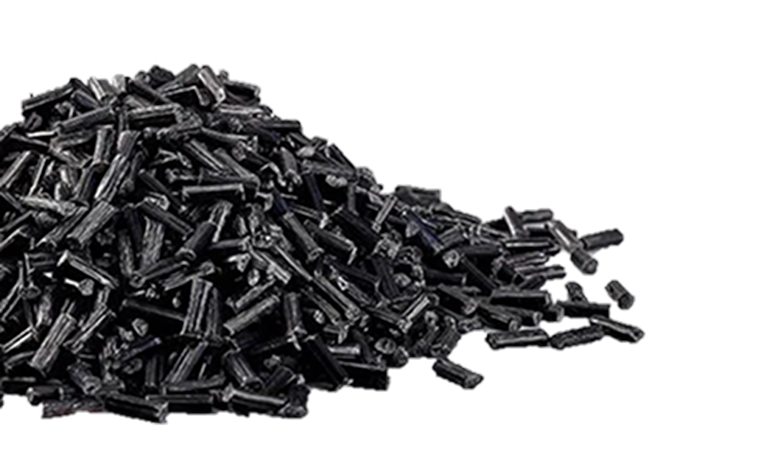 Injection Molding Pellets
The r-CF reinforced injection molding pellets exhibit excellent mechanical properties, making them ideal for manufacturing complex components widely used in the automotive, aerospace, and consumer electronics markets.
-
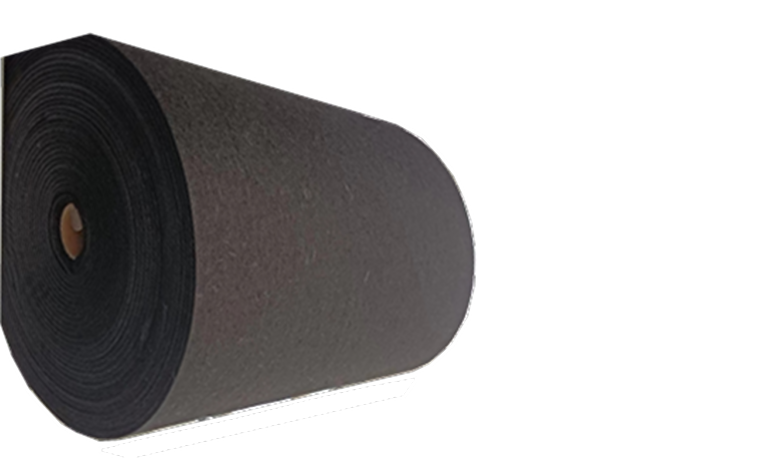 Non-Woven Fabric
Produced from r-CF through dispersing, carding, and needle punching, this material effectively disperses fibers evenly while retaining their length. This product has excellent mechanical properties, it offers great potential for applications in SMC and RTM process materials, electromagnetic shielding, and anti-static products
-
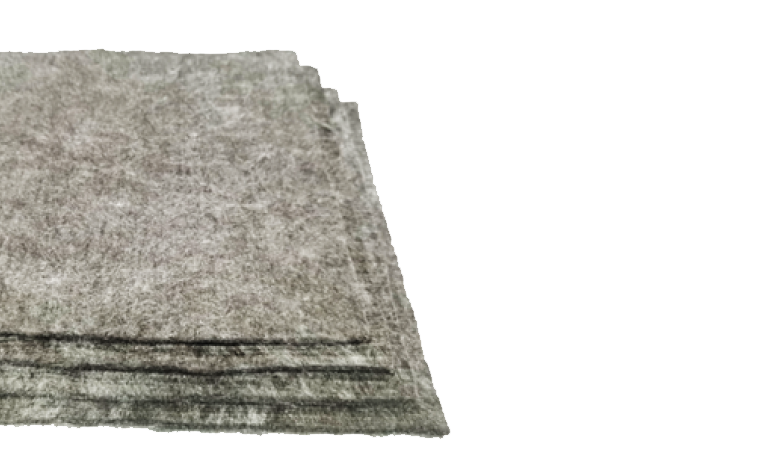 Thermoplastic Felt
This product features uniform fiber distribution, excellent mechanical properties, and high process flexibility, suitable for thermoplastic sheet aesthetics, laminate panel design, and manufacturing.
-
 Prepreg
Made from recycled carbon fiber mixed with thermosetting resin matrix, it can be paired with a variety of thermosetting resin matrices (unsaturated polyester UP, vinyl ester VE, epoxy resin Epoxy, etc.).rCF reinforced Prepreg has the advantages of high strength-to-weight ratio, high production cost-effectiveness, and excellent design flexibility, playing an important role in component manufacturing.
-
-
-

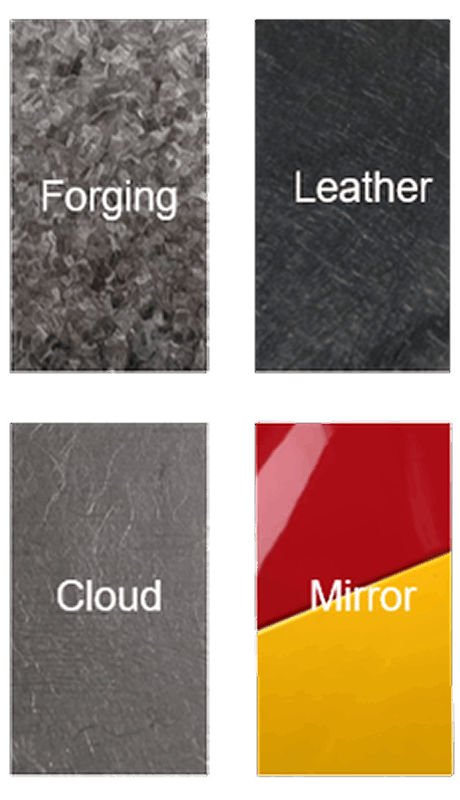 CFRTP Panel
CFRTP panels offer excellent strength and stiffness, superior corrosion resistance and durability. This product is ideal for flat panel manufacturing, providing diverse aesthetic effects, fast molding rates, and the benefit of reusability, making them suitable for applications in automotive surface decoration, architectural design, transportation vehicles, and sporting equipment.
-
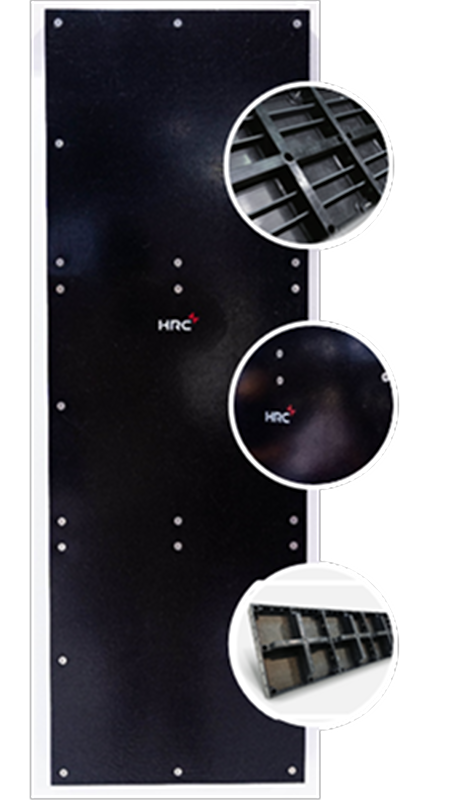 Fully Recyclable Construction System
By recycling, decomposing, and processing the waste from carbon fiber composite industrial products, this formwork system boasts exceptional qualities such as lightweight, high strength, and corrosion resistance, which significantly extend its usage lifespan.
-
 Pickleball Paddle
The pickleball paddle face is compression-molded from recycled carbon fiber epoxy prepreg. It offers advantages such as being lightweight, providing a quiet strike, and delivering unique shock-absorbing comfort—all while reducing the carbon footprint. For the planet, with every swing.
-
 Suitcase
Carbon fiber thermoplastic panels deliver exceptional strength, stiffness and corrosion resistance with a long service life. As a decorative facing material, they feature diverse appearances, fast molding speed and recyclable eco-friendliness, making them ideal for flat component manufacturing and widely applied in the luggage industry.
-
 Automotive Door Inner Panel
This automotive door inner panel, manufactured using hybrid molding technology, offers extreme lightweighting, high design freedom, and superior mechanical properties.
-
 Aerospace Dining Board
HRC extracts high-quality carbon fiber from retired aerospace components, retaining over 95% of the original fiber strength while generating only 4.7% of the carbon emissions of virgin materials.The resulting carbon fiber reinforced PA resin pellets are compatible with mainstream molding processes. Featuring reliable performance, low carbon footprint, traceability and cost-effectiveness, they are widely adopted for lightweight applications in aviation, rail transit, sporting goods and other sectors.
-

