


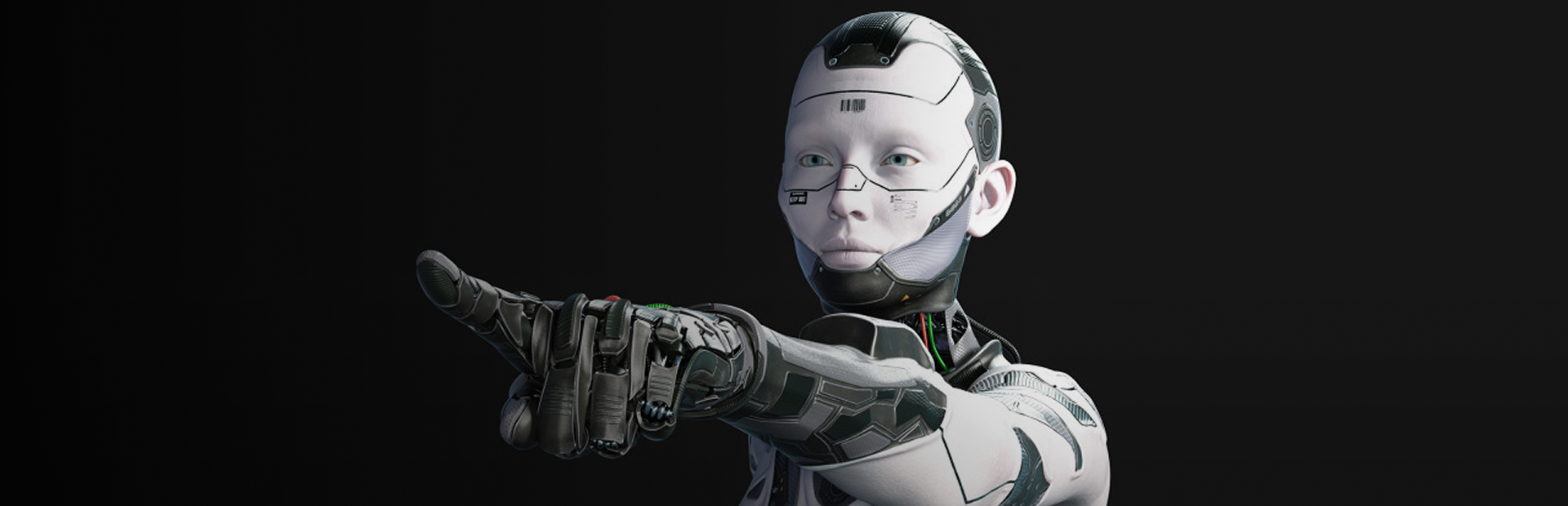

Carbon Fiber Parts for Robotics
HRC develops carbon fiber parts for industrial robots and humanoid robots: supporting arms, beams and structural members that cut moving mass, raise stiffness and let a robot move faster with less energy. The same engineering, serial production and recycling capabilities that serve automotive and aerospace OEMs are available to robotics manufacturers.
Why carbon fiber for robot arms and humanoid robots?
A robot arm carries its own weight before it carries a payload. Carbon fiber composites offer a higher stiffness-to-weight ratio than aluminium or steel, so an arm or a limb can be lighter at the same stiffness. Less moving mass means smaller motors, shorter cycle times and lower energy consumption. For a humanoid robot, a lighter structure means longer battery life and safer interaction with people.
Carbon fiber robot parts HRC has developed
U-shape carbon fiber supporting arms for industrial robots.
7-axis mechanical bars (robot arm links).
Carbon fiber T-shape beams and other structural members.
Structures for the next generation of humanoid robots: limbs, frames and housings designed for low mass and high stiffness.
From design to serial production
Our design and engineering team defines the layup, runs stiffness, fatigue and vibration simulation and selects the process. Parts are produced in the Changshu plants by processes such as HP-RTM, autoclave prepreg or filament winding, then machined, bonded and finished in-house as part of our carbon fiber mass production. End-of-life parts return to the carbon fiber recycling line.
Frequently asked questions
Can a humanoid robot be built with carbon fiber?
Yes. Carbon fiber is used for limbs, frames and housings where low mass and high stiffness matter most. HRC designs and produces such structures and can replace the metal parts of an existing design with lighter composite ones.
How much lighter is a carbon fiber robot arm than an aluminium one?
It depends on the load case and the design, but weight savings of 30 to 50% at the same stiffness are realistic when a metal link is redesigned as a carbon fiber composite part.
Does HRC make small series for robotics companies?
Yes. Prototypes and small series are produced by autoclave or RTM, and the design is prepared for higher volumes on HP-RTM or C-SMC when the programme scales.
How do I start?
Send drawings or a deion of the robot and the parts you want to lighten through the contact page. An engineer replies with a feasibility assessment and a cost estimate.

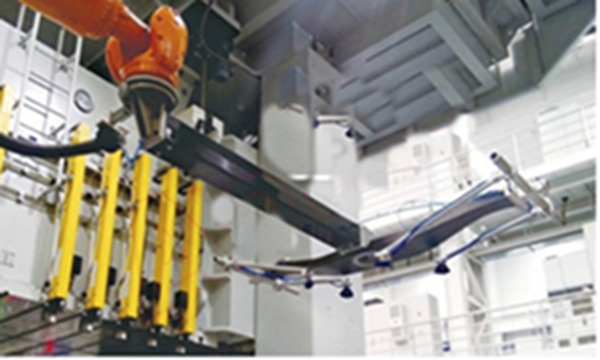
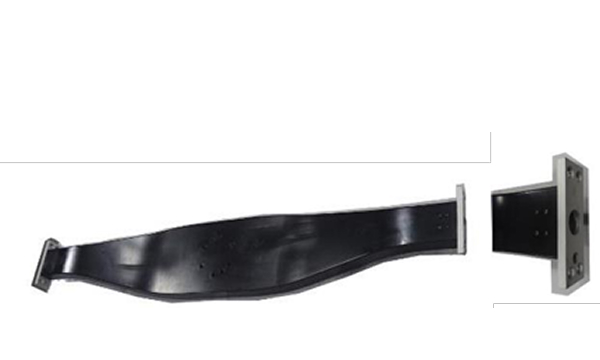
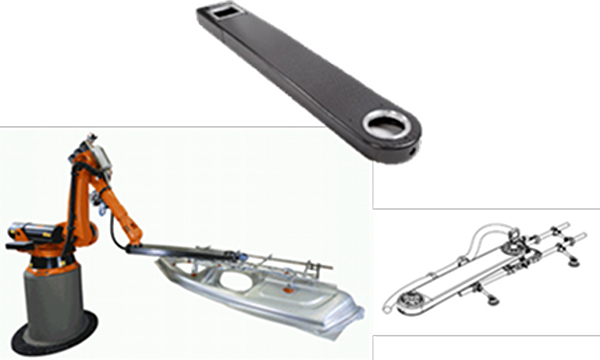

HRC is at the forefront of advancing robotics with composite materials, from industrial robotic arms to the next generation of humanoid robots. With high-performance carbon fiber, we drive smarter, more efficient solutions for the future of automation.