


Carbon Fiber Mass Production
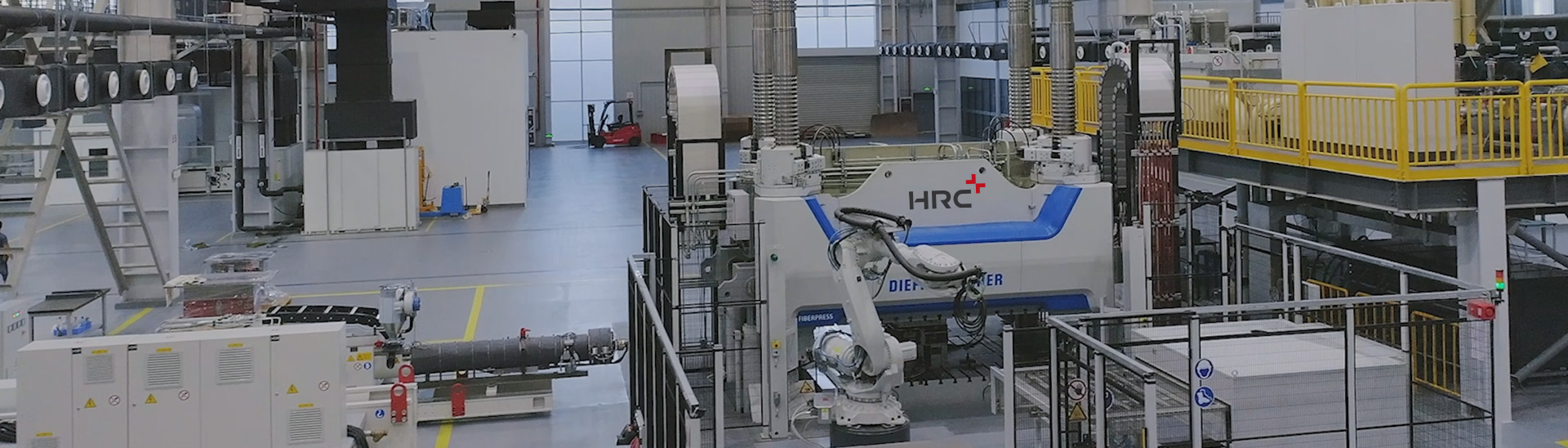
HRC mass produces carbon fiber parts in Changshu, China, with a full range of thermoset and thermoplastic processes under one roof: injection molding, HP-RTM, wet compression molding, C-SMC, pultrusion, PCM, autoclave and filament winding. 30,000 square metres for automotive and 20,000 for aerospace, certified to IATF 16949:2016 and AS9100D.
How does HRC choose the process for carbon fiber mass production?
Volume, geometry, structural load and target cost decide the process, not the other way round. A few examples from our plants:
- Exterior body panels in C-SMC or PCM, with molding cycles of 5 to 10 minutes per fender.
- Structural parts with high fiber content in HP-RTM, which combines fast cycles with high mechanical properties.
- Semi-structural and interior parts, underbody panels and battery trays in wet compression molding, with little scrap and resin waste.
- Complex geometries with tight dimensional tolerances in injection molding, including thermoplastic wheel inserts with a cycle under 300 seconds.
- Primary aerospace structures and motorsport parts in autoclave-cured prepreg.
- Pressure vessels, tubes and profiles in filament winding and pultrusion.
Production plants
- HRC Auto, No. 58 Huangshan Road, Changshu, 30,000 square metres: automotive carbon fiber parts for OEMs on several continents, from interior and exterior panels to structural components and monocoques.
- HRC Aero, Building E, No. 1150 Southeast Avenue, Changshu, 20,000 square metres: aerospace carbon fiber components and airframe structures for large commercial aircraft and eVTOL programmes.
- HRC Carbon Neutrality, No. 1267 Southeast Avenue, Changshu, 8,000 square metres: the kiloton-scale carbon fiber recycling line and regenerated materials.
Quality assurance in serial production
Every programme runs under APQP project management with FMEA, SPC, MSA, 8D, 5W and Six Sigma methods. The plants are certified to AS9100D, IATF 16949:2016, Nadcap, DIN 6701 and ISO 14001:2015. After molding, parts go through post-processing: five-axis CNC machining, automatic gluing and paint lines, sanding and polishing, all in environmentally controlled areas.
Frequently asked questions
Which volumes suit carbon fiber mass production at HRC?
From low-volume aerospace and premium automotive programmes on autoclave or RTM to high-volume programmes on HP-RTM, C-SMC, PCM and injection molding. Send your annual volume and we propose the process and the cost per part.
Can HRC produce both thermoset and thermoplastic parts?
Yes. Thermoset processes (HP-RTM, C-SMC, PCM, autoclave, pultrusion, filament winding) and thermoplastic processes (injection molding, thermoplastic compression) run in the same plants, so the material choice follows the part, not the plant.
Does HRC also design the part and the tooling?
Yes. Engineering design and tooling and prototyping are in-house, which shortens the path from drawing to series production.
Are the plants certified for automotive and aerospace work?
Yes. IATF 16949:2016 for automotive, AS9100D and Nadcap for aerospace, DIN 6701 for adhesive bonding and ISO 14001:2015 for environmental management.
How do I get a production quote?
Send the drawing, the material specification and the annual volume through the contact page. We reply with a process proposal and a cost estimate.
Explore our key composite processes
-

 Injection Molding

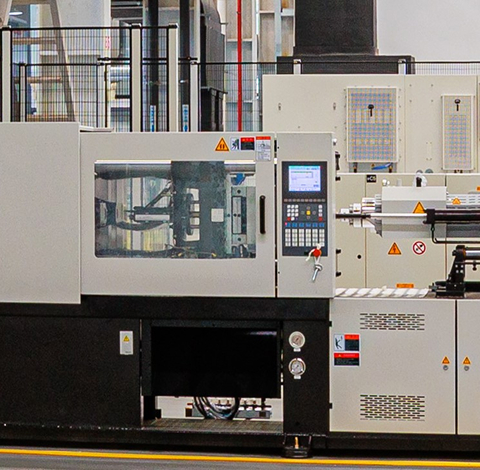
 Injection Molding
Suitable for mass production with short cycles and high efficiency
Capable of producing complex geometries products with high accuracy of dimensions
Consistent part quality with minimal post-processing
-
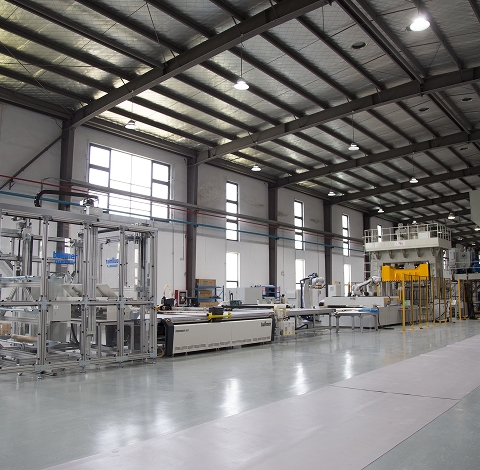 HP-RTM
Produces high-fiber-content parts with rapid cycle times
Suitable for structural automotive components and lightweight aerospace parts
Combines fast throughput with excellent mechanical properties
-
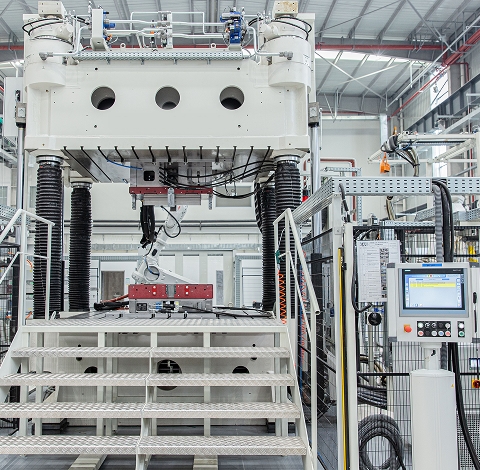 Wet compression molding
Cost-effective method for semi-structural and interior parts
Reduces scrap and resin waste with precise control
Popular in automotive for underbody panels, battery trays, etc.
-
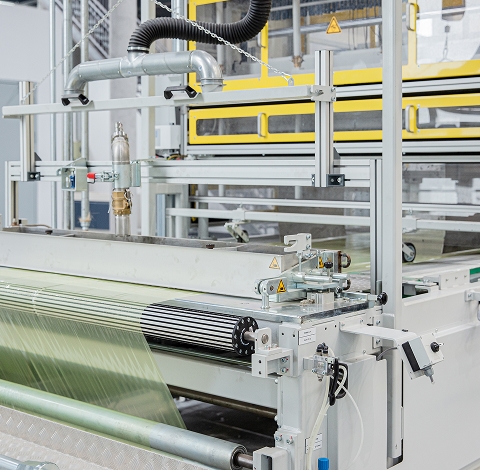 C-SMC
C-SMC
Compression-molded carbon fiber offering high stiffness-to-weight ratio
Ideal for premium automotive parts, sports equipment, aerospace applications
Maintains strength while reducing overall part weight
-
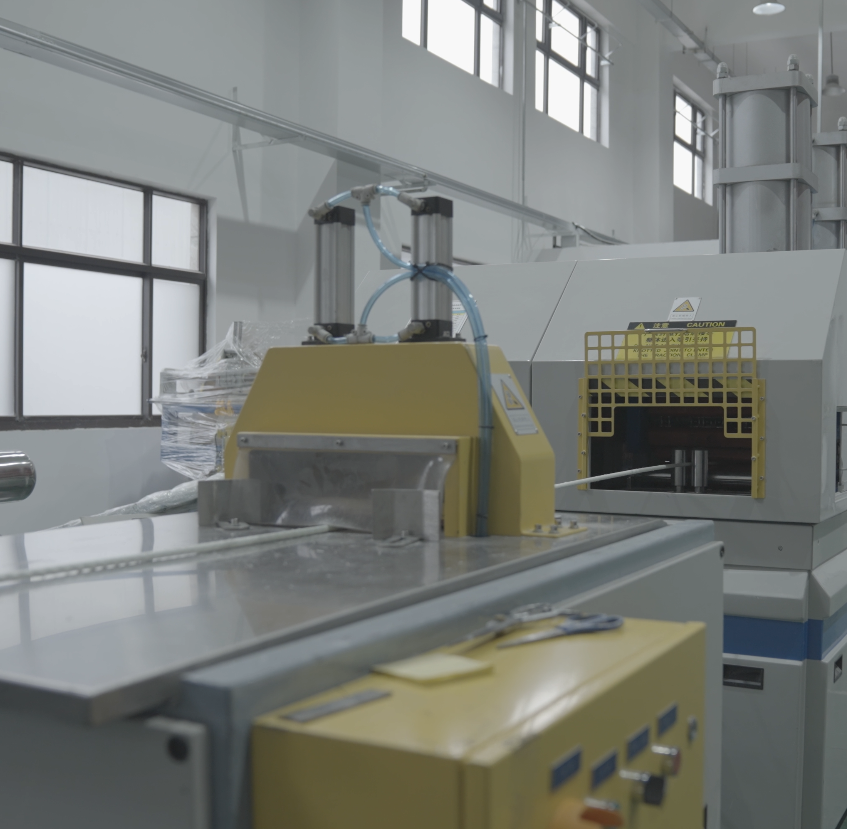 Pultrusion
Continuous process for uniform profiles (rods, bars, beams)
High-speed and consistent fiber alignment
Widely used in infrastructure (bridge decks, ladders, pipes) and industrial sectors
-
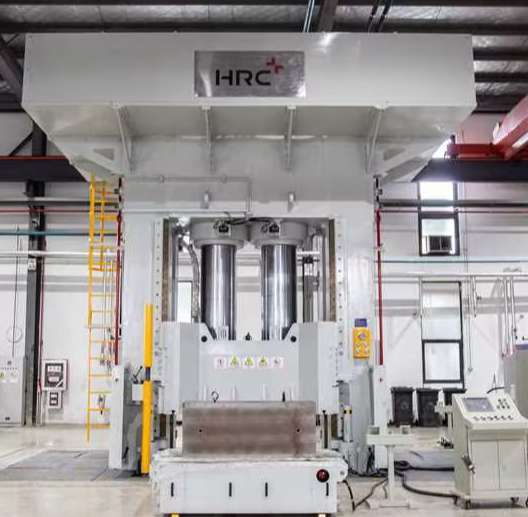 PCM
PCM
Fast cycle times, high-volume potential
Suited for large or complex parts with controlled fiber orientation
Common in automotive exterior panels, large industrial components
-
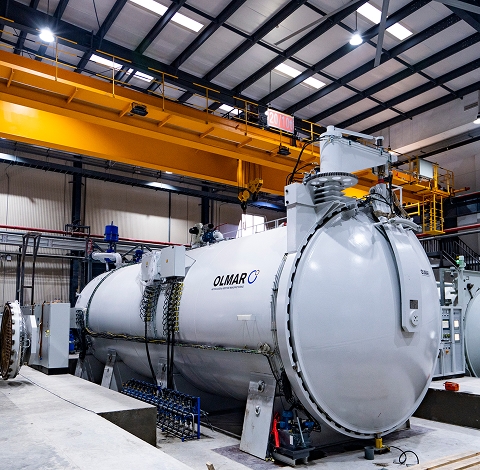 Autoclave
High-temperature, high-pressure curing for premium part quality
Essential in aerospace and motorsports for advanced laminate consolidation
Delivers exceptional strength and finishing
-
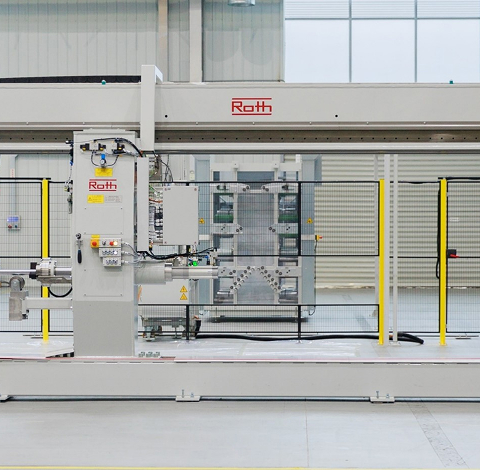 Filament winding
Automated fiber placement on rotating mandrels
Perfect for cylindrical or spherical parts like pressure vessels or fuel tanks
Ensures optimal fiber orientation and uniform wall thickness
Our production facilities
-
HRC Auto
With 10 years of extensive experience in the automotive sector, HRC Auto is now a leading supplier worldwide of carbon fiber component development and manufacturing.
We work closely with OEMs from different continents, taking on challenging projects and delivering superior products that range from interior and exterior panels and structural components to monocoques, driving advancements in the automotive industry.
-
 No. 58 Huangshan Road, Changshu, China
-
 30,000 ㎡
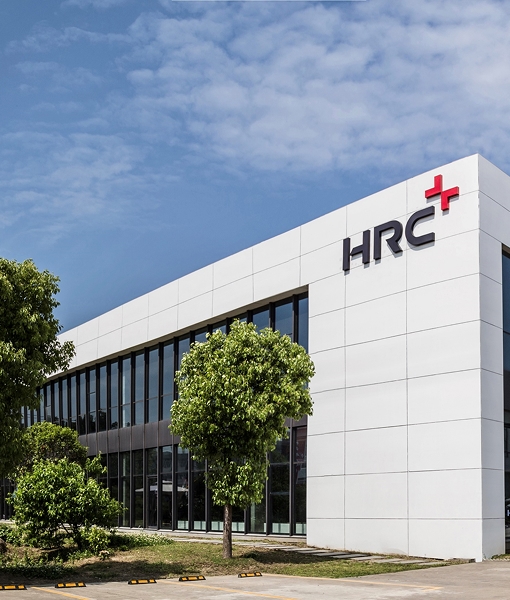
HRC Auto
-
-
HRC Aero
HRC Aero specializes in the R&D, engineering, mass production, and assembly of aeronautic carbon fiber components and airframe structures.
We are now a trusted partner for large commercial aircraft and one of the main Tier 1 composite suppliers for the emerging low-altitude flight industries.-
Building E, No. 1150 Southeast Avenue, Changshu, China
-
20,000 ㎡
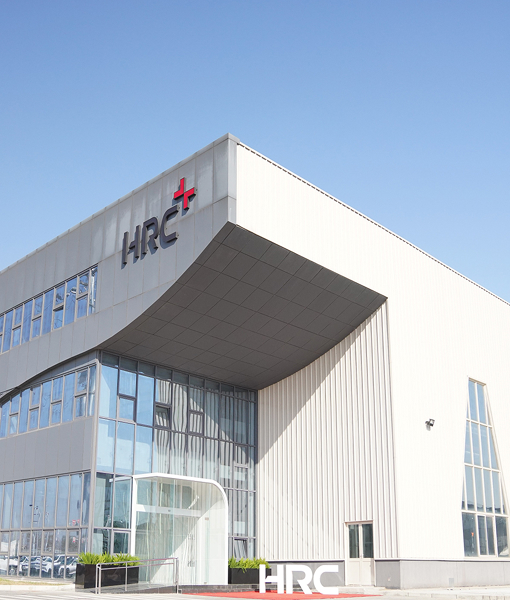
HRC Aero
-
Quality assurance
-
Using APQP for project management, methods include:
Failure Mode Effects Analysis (FMEA)
Statistical Process Control (SPC)
Measurement Systems Analysis (MSA)
8D, 5W, Six Sigma
-
System certification:
AS9100D
IATF16949:2016
Nadcap
DIN 6701
BS EN ISO 14001:2015
