



Carbon Fiber Engineering Design
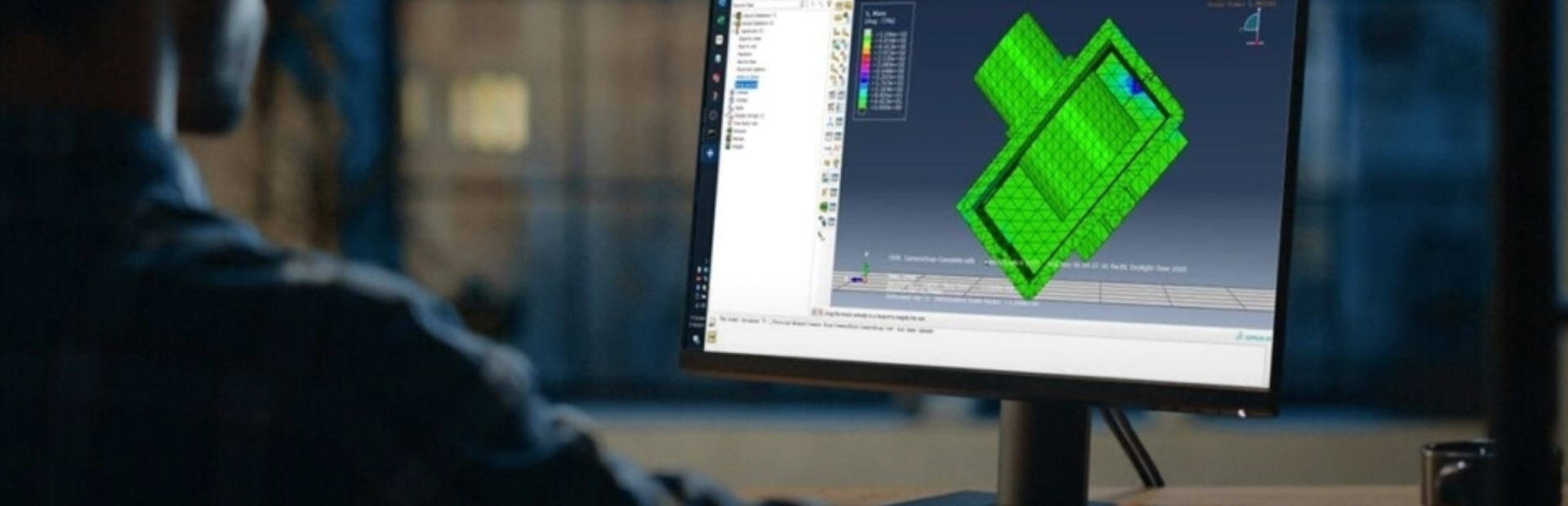
HRC's carbon fiber engineering design team takes a part from the first requirement to a production-ready design: feasibility, material screening and testing, structural and crash simulation, and design for manufacturing. Teams in Changshu, Barcelona, West Sussex and Xi'an deliver lightweight, durable composite components within short timeframes, with validated material cards for Abaqus, LS-DYNA and Radioss.
What does carbon fiber engineering design at HRC include?
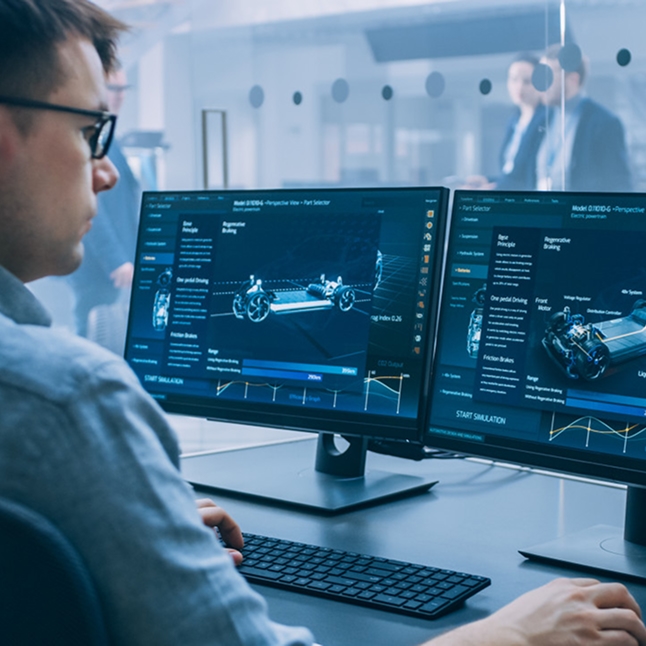
- Design feasibility: requirement analysis, market study, material definition and process recommendation, engineering feasibility, concept development and structural design, and a cost estimate before any tooling is committed.
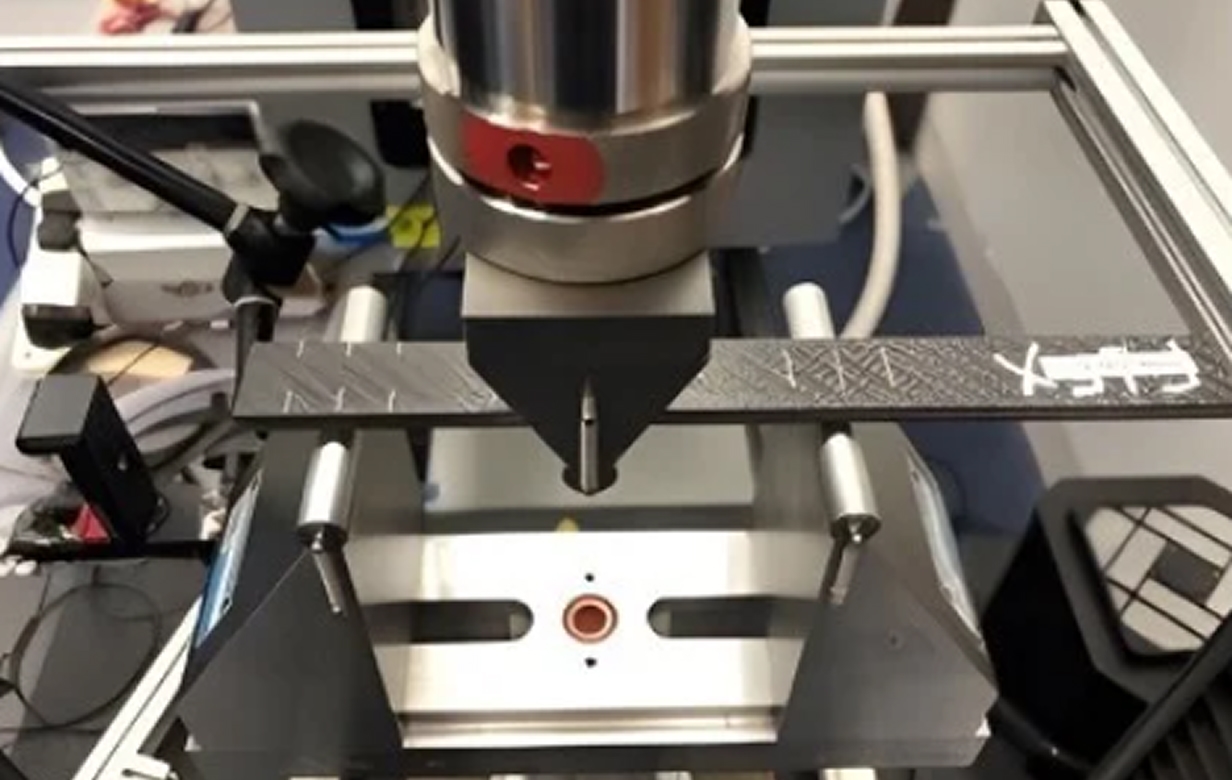
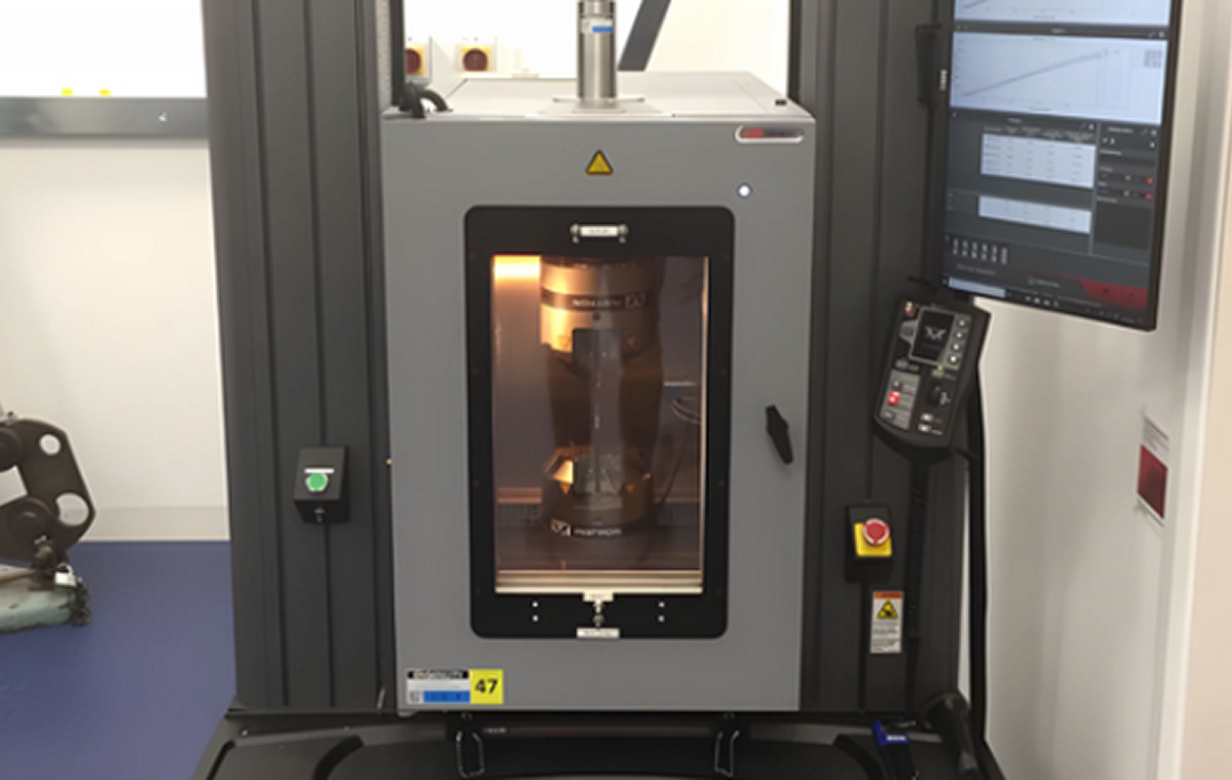
- Material screening and testing: tension, compression, shear, impact, flexural, fatigue and environmental tests on fiber composites, metals, adhesives and core materials, so candidate materials are ranked against your criteria with in-house data.
- Predictive analysis and simulation: finite element analysis for metal, composite and hybrid structures, validated with our own material cards.
- Design for manufacturing: material selection, process selection and homologation support, so the part can be produced at the target cost from the first series run.
Why engineering and production under one roof matters
A composite design that cannot be molded at rate is only a drawing. Because HRC also runs tooling and prototyping and serial production, our engineers design for the real process: fiber orientation for HP-RTM, wall thickness and draft for C-SMC, bonded joints that an automatic gluing line can handle. Material cards come from our own test lab rather than from a supplier datasheet, so the simulation matches the part that leaves the press. Prototypes are built by autoclave, RTM or PCM and tested under real-world conditions before production molds are cut. The same approach is behind our automotive carbon fiber parts and aerospace carbon fiber components.
Where is the engineering done?
Engineering design sits in Changshu and Xi'an (China), Barcelona (Spain) and West Sussex (UK), where HRC also runs analysis and material testing. European clients work with engineers in their own time zone, while production engineering sits next to the plants in Changshu.
Frequently asked questions
Can HRC redesign a metal part in carbon fiber?
Yes. Replacing a metal part with a composite one is a typical brief. We start from the load cases of the existing part, define the material and process, and deliver a lightweight design with a cost estimate.
Do you provide material cards for simulation software?
Yes. HRC provides validated material cards for Abaqus, LS-DYNA and Radioss, based on in-house tests of fiber composites, metals, adhesives and core materials.
How long does a feasibility study take?
It depends on the part and the number of load cases. Tell us what you want to achieve in weight, cost, stiffness or crash performance, and we scope the feasibility phase with you before any commitment.
Does HRC help with certification and homologation?
Yes. We guide clients through certification and homologation so the product meets the industry regulations and standards that apply to their automotive or aerospace programme.
How do I start a project?
Send your requirements or an existing part drawing through the contact page. An engineer replies with the proposed approach and a cost estimate.

Design Feasibility
-
Understand Requirements
-
Market Study
-
Material Definition & Process Recommendation
-
Engineering Feasibility
Analysis -
Concept Development & Structural Design
-
Cost Estimation

Material Screening & Testing
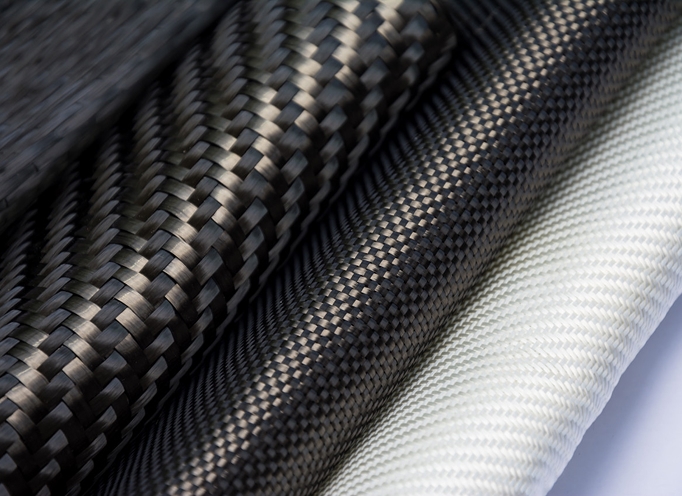
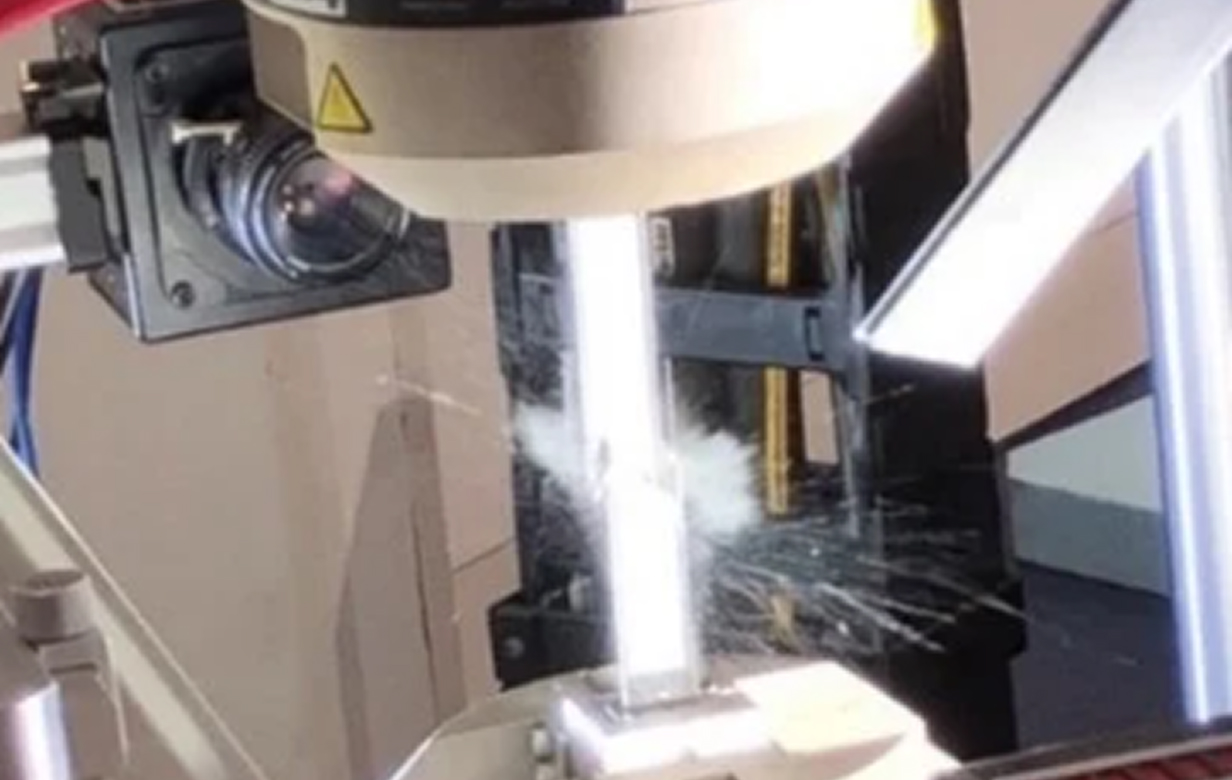
HRC conducts a wide range of physical tests to capture essential structural parameters, allowing us to rank materials based on predefined criteria. Through in-house testing, material behavior can be quickly adjusted and optimized for specific applications. Our testing capabilities cover fiber composites, metals, adhesives, and core materials. To support accurate predictive modeling, we provide validated material cards for industry-standard simulation tools, including Abaqus, LS-DYNA, and Radioss.
Accurate analysis predictions are reliant on precise material properties.
Tension
Compression
Shear
Impact
Flexural
Fatigue
Environmental Testing
Structural & Failure analysis
Adhesive and joint characterization

Predictive Analysis & Simulation
HRC uses predictive analysis, including Finite Element Analysis (FEA), to validate and optimize product performance across metals, composites, and hybrid structures. By replicating real-world conditions virtually, we reduce development time, minimize physical iterations, and ensure each design meets both functional and manufacturing requirements.
-
CRASH SIMULATIONS
Dynamic Explicit Analysis for High-Speed Crash Events
Energy Absorption & Composites Crush
Crashworthiness Evaluation
Structural Integrity
-
STIFFNESS & STRENGTH
Static/quasi-static simulations for structural integrity and load capacity
Implicit Analysis
-
FATIGUE & DURABILITY
Fatigue life & durability under cyclic loads
Life Prediction & Damage Evaluation
Analyze failure modes
-
NVH ANALYSIS
PSD Random vibration analysis
Frequency response analysis
Transient response analysis
Modal analysis
Design for Manufacturing
-

 Planning
Consult with manufacturing experts on your design. Lowering manufacturing costs is never easier than at the design stage.
-
 Material selection
Selecting the best materials for your product, balancing performance, cost, and manufacturability.
-
 Processes
ldentify the manufacture process and technologies to minimize costs and time-to-market.
-
 Homologation
We guide you through certification and homologation processes, ensuring your product complies with all necessary industry regulations and standards.